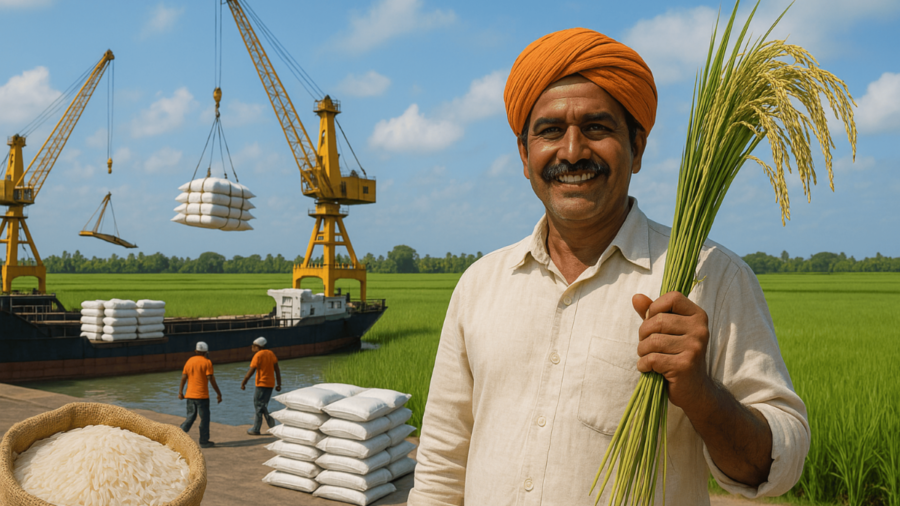
The agricultural export industry is experiencing a significant transformation driven by changing consumer preferences, climate considerations, and evolving trade policies. As we navigate through 2025, understanding these trends is crucial for exporters, importers, and everyone involved in the global food supply chain.
Rising Demand for Organic and Sustainable Products
International buyers are increasingly prioritising organic and sustainably-sourced agricultural products. Markets in Europe, North America, and parts of Asia are showing a strong preference for products with certified organic labels and transparent supply chains. This shift presents tremendous opportunities for exporters who can meet these stringent quality and sustainability standards.
Key Takeaway for Exporters: Investing in organic certification and sustainable farming practices can open doors to premium markets and higher profit margins.
Technology-Driven Supply Chain Transparency
Blockchain technology and digital tracking systems are revolutionising how agricultural products move across borders. Importers now expect real-time tracking, digital documentation, and complete visibility into the origin and handling of food products. This transparency not only builds trust but also helps in meeting increasingly complex regulatory requirements.
Climate-Resilient Crop Varieties Gaining Traction
With climate change affecting traditional growing regions, there’s growing international interest in climate-resilient crop varieties. Countries are diversifying their import sources and showing interest in products from regions developing drought-resistant, flood-tolerant, and heat-adapted agricultural varieties.
Shifting Trade Corridors and New Market Opportunities
Traditional trade routes are evolving as emerging economies strengthen their position in global agriculture. Southeast Asian markets, African nations, and Middle Eastern countries are becoming significant importers of agricultural products. Meanwhile, South-South trade (trade between developing countries) is expanding rapidly, creating new opportunities beyond traditional Western markets.
Food Safety Compliance: Non-Negotiable Standards
Regulatory frameworks around food safety continue to tighten globally. Standards like HACCP (Hazard Analysis Critical Control Points), Global GAP, and country-specific requirements are becoming baseline expectations rather than competitive advantages. Exporters must stay updated on changing regulations in their target markets.
The Rise of Plant-Based and Alternative Proteins
The global shift toward plant-based diets is creating unprecedented demand for pulses, grains, nuts, and other protein-rich agricultural products. This trend is particularly strong in developed markets but is gaining momentum in developing economies as well.
Practical Steps for Agricultural Exporters
- Stay Informed: Subscribe to trade journals, join industry associations, and monitor regulatory updates in your target markets.
- Invest in Certifications: Obtain relevant certifications (organic, Fair Trade, ISO, etc.) that your target markets value.
- Build Relationships: Develop strong relationships with reliable freight forwarders, customs brokers, and certification bodies.
- Quality Control: Implement robust quality control measures throughout your supply chain.
- Digital Presence: Maintain an updated website showcasing your products, certifications, and company capabilities.
How AD Overseas Can Help
At AD Overseas, we understand the complexities of agricultural product exports. Our expertise spans sourcing, quality assurance, documentation, logistics, and regulatory compliance. Whether you’re a supplier looking to reach international markets or a buyer seeking reliable agricultural products, we bridge the gap with our comprehensive export-import services.
The agricultural export landscape is full of opportunities for those who stay informed and adaptable. By understanding these trends and working with experienced partners, you can navigate the complexities of international trade and grow your business sustainably.
Looking to export agricultural products or source quality food items internationally? Contact AD Overseas to discuss how we can support your trade goals.
India has been known as the “Land of Spices” for centuries. From ancient trade routes to modern global supply chains, Indian spices have always been in high demand across international markets. Today, spices export presents a high-potential, profitable opportunity for entrepreneurs looking to enter the global trade business.
If you are planning to start or expand your export business, spices can be one of the most scalable and sustainable product categories.
High Global Demand
Countries like:
- USA
- UAE
- Vietnam
- China
- UK
- Saudi Arabia
have consistent demand for Indian spices such as turmeric, cumin, coriander, red chili, cardamom, and black pepper.
3️⃣ Growing Health Awareness
Spices are no longer just flavor enhancers. Products like:
- Turmeric (for immunity & anti-inflammatory benefits)
- Ginger (for digestion)
- Cinnamon (for diabetes management)
are widely used in health supplements and organic markets.
Final Thoughts
Spices export is not just a business — it is an opportunity to take India’s rich agricultural heritage to the global market. With proper planning, compliance, and strong buyer connections, you can build a profitable export venture in this evergreen industry.
If you are already in import-export or planning to start, spices can be your next big opportunity.